In the magical atmosphere of the e-commerce world that transcends borders, a seller's greatest dream is the happiness contained in that box knocking on the door of a customer on the other side of the world. The journey of a product carefully prepared in a local workshop or warehouse in Turkey, crossing oceans to reach the massive Amazon warehouses in America, Europe, or Asia, is one of the most exciting trade adventures of modern times. However, this adventure does not end with just producing the product and putting it in a box; rather, the real challenging process begins right at this point. The giant of global marketplaces, Amazon, expects military discipline from sellers to ensure that its flawless logistics network operates smoothly. At this juncture, the acceptance of products produced with great effort into those massive warehouses requires a level of meticulousness akin to diplomatic protocol.
The Hidden Challenges of Amazon’s Logistics System and Expectations
The Amazon warehouses, where millions of products enter and exit every day, operate like a massive machine with no room for error. Every box that enters the gears of this machine must speak the language of the system. Many entrepreneurs, despite having a great product, can experience significant disappointments due to simple mistakes in the logistics processes. Therefore, while moving your high-potential products to the world's largest showcase, it is essential to understand that Amazon FBA logistics processes are not just a transportation job, but also a compliance process. The moment your products enter those warehouses, you become part of Amazon's promise to its customers of "fast and hassle-free delivery." This responsibility places a significant burden on the seller at every stage, from packaging to labeling, customs procedures to delivery appointments. However, with the right information and strategy, it is not difficult to bear this burden and transform into a global brand.
Shipping and Delivery Strategies at the Doorstep of the International Market
Every Turkish entrepreneur stepping into global trade usually has one question in mind: how to send products to an Amazon warehouse. While this question may seem simple, its answer is the most critical factor determining the success of the operation. This is because there are hundreds of scenarios that could happen to a product leaving Turkey. Flawless planning is essential to ensure that your product does not get stuck in customs, does not get damaged on the way, and most importantly, is not turned away at the door of the Amazon warehouse. The shipping process from Turkey to Amazon is not just about handing a package over to a shipping company. This process requires anticipating all the physical and bureaucratic obstacles the product will encounter during its journey and taking precautions accordingly. Preparing your products according to the standards set by Amazon is, in fact, the biggest investment you can make in the future of your brand. A well-structured shipping strategy not only reduces your costs but also directly affects your store's rating and customer satisfaction.
The Importance of the Barcode and Labeling System as the Identity Card of Products
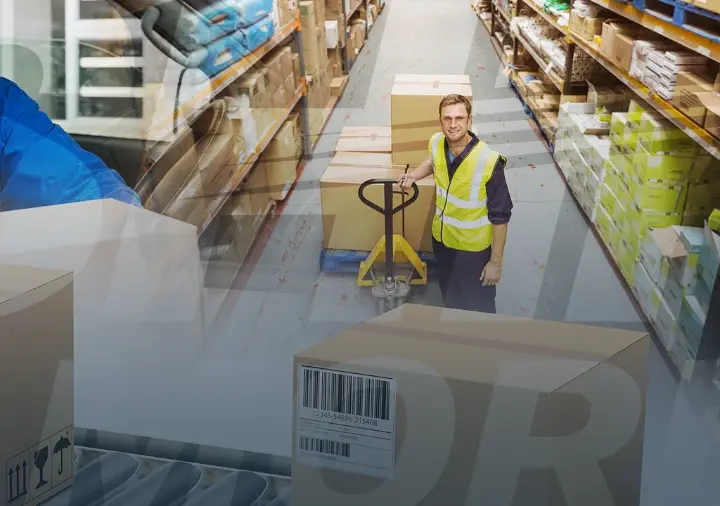
Amazon's robots and employees have only one language to distinguish your product from millions of other products: Barcodes. If your product does not speak this language, unfortunately, it is doomed to get lost within the system. At this stage, Amazon FBA barcode standards come into play, and these rules can never be bent. Each label affixed to the products is like a passport for that product. The lines and codes on it tell who the product belongs to, what it is, and where it needs to go. A faulty, faded, or incorrectly placed label can result in your product being rejected at the warehouse or being classified as a "lost product." Therefore, learning how to label for Amazon FBA in the finest detail is like learning the alphabet of e-export. Fine details, such as placing FNSKU labels over existing manufacturer barcodes, are the key to operational excellence. This labeling process can be done manually or managed flawlessly with professional support.
Box Preparation and Durability Tests in the Warehouse Acceptance Process
Another topic as vital as labeling is the quality and standards of the boxes in which products will travel. The Amazon FBA box preparation process means fortifying your products against the harsh conditions of the outside world. During an intercontinental journey, your boxes will be loaded onto planes, unloaded from trucks, dragged on conveyor belts, and perhaps stacked on top of each other. Amazon requires that the boxes arriving at their warehouses meet certain strength standards and do not pose a threat to employee safety. Torn, crushed, or non-standard sized boxes can be rejected at the warehouse entrance. This situation means a loss of both time and money for the seller. Every detail, from the arrangement inside the box to the packing materials used, is critical for the safety of the product. Additionally, the "Box Labels" affixed to the boxes ensure that the products inside are accurately processed in the inventory system. A sturdy box not only protects the product but also maintains your brand's professional image.
Overcoming Customs Barriers and Managing Bureaucratic Obstacles
No matter how beautifully your products are packaged, the bureaucratic processes they will encounter at border crossings can be the most feared nightmare of e-export. Many sellers learn the answer to the question of how to handle Amazon FBA customs procedures through painful experiences when their products get stuck in customs. Amazon requires that customs duties and fees for shipments be paid in advance by the seller; in other words, it mandates the DDP (Delivered Duty Paid) delivery method. Amazon never acts like an importer and does not interact with customs officials. Therefore, the management of customs processes is entirely the responsibility of the seller or their logistics partner. It is necessary to determine the correct HS codes, prepare invoices completely, and be familiar with the tax legislation of the destination country. Otherwise, your products may be returned from customs or destroyed. Managing this complex bureaucracy is one of the fundamental requirements for being permanent in global markets.
Controlling Costs and Understanding Pricing Dynamics
One of the most important factors determining profit margins in e-commerce is logistics costs. Sellers often ask how FBA shipping prices are calculated in an effort to optimize their budgets. In the logistics world, pricing is based not only on weight but also on dimensional weight (volumetric weight). If you are shipping a lightweight but bulky product, you may encounter a bill that is higher than expected. Therefore, optimizing packages, meaning packing products in a way that leaves minimal empty space, is the most sensible way to reduce costs. Additionally, shipping speed and the preferred mode of transport (air or sea) also directly affect prices. Making a fast Amazon FBA shipment can ensure you don't run out of stock, but it can also increase costs. Establishing this balance forms the financial foundation of a successful trade. Keeping track of every centimeter and every gram will lead to significant savings in the long run.
Scheduled Delivery and the Role of Professional Logistics Partners
Amazon warehouses are not places where anyone can just walk in freely. A pre-scheduled appointment system is in place for your cargo to be accepted into the warehouse. Especially during busy periods, being able to secure an Amazon FBA appointment for delivery and adhering to that appointment requires significant operational skill. The shipping company must be present during the time window specified by Amazon. Vehicles without appointments or those that arrive late are turned away at the door, leading to a chain reaction of delays. It is at this point that the value of logistics partners who understand Amazon's ecosystem and can work seamlessly with the appointment system becomes apparent. You can only safely navigate the long and complex bridge between your product leaving Turkey and being placed on the shelf in an Amazon warehouse with an experienced logistics partner.
Ways to Get Rid of Operational Burden with Professional Support
All these processes—packaging, labeling, customs, and appointment management—are quite exhausting and prone to errors for a seller. For this reason, many entrepreneurs prefer to work with companies that provide Amazon labeling services to relieve themselves of this operational burden. These companies receive your products on your behalf, conduct quality control, package and label them according to Amazon standards, and ensure their shipment using the most suitable logistics methods. This way, the seller can focus their energy and time not on worrying about "Did this package clear customs?" but on developing new products and increasing sales. E-export transforms from a burden you can shoulder alone into an enjoyable process managed with the right business partners.
The Secret to Success in Intercontinental Trade Lies in the Details
The way to succeed at this gateway from Turkey to the world is to fully comply with Amazon's rules. Whether it is in the international shipping Amazon processes or in the warehouse operations, every care taken will return as customer satisfaction. The process of sending products to an Amazon FBA warehouse is not a hurdle to be feared; rather, it is the first test where you can prove the quality of your brand. Those who pass this test successfully do not just sell a product; they also build trust and stability. When you view your logistics processes not as a burden but as a strategic part of your business, your position in global markets will be much stronger. Remember, the satisfaction your customer feels when they open the box across the ocean is actually a reflection of the meticulousness you have shown in this complex process.